You probably think pennies are totally boring. Maybe you even leave them on the ground when you drop one. But here’s the thing: some old pennies hiding in piggy banks, junk drawers, or grandma’s coin jar are worth more than a brand new car. Like, way more. We’re talking about rare Lincoln Wheat Pennies that have sold for nearly $600,000! These little coins were made between 1909 and 1958, and finding one is like winning a mini lottery. The best part? Learning what to look for takes about five minutes, and it might change how you see every penny from now on. Rare Lincoln Wheat Penny Worth $567K How to Identify & Value Your Coins
These Coins Are Like Tiny Time Machines
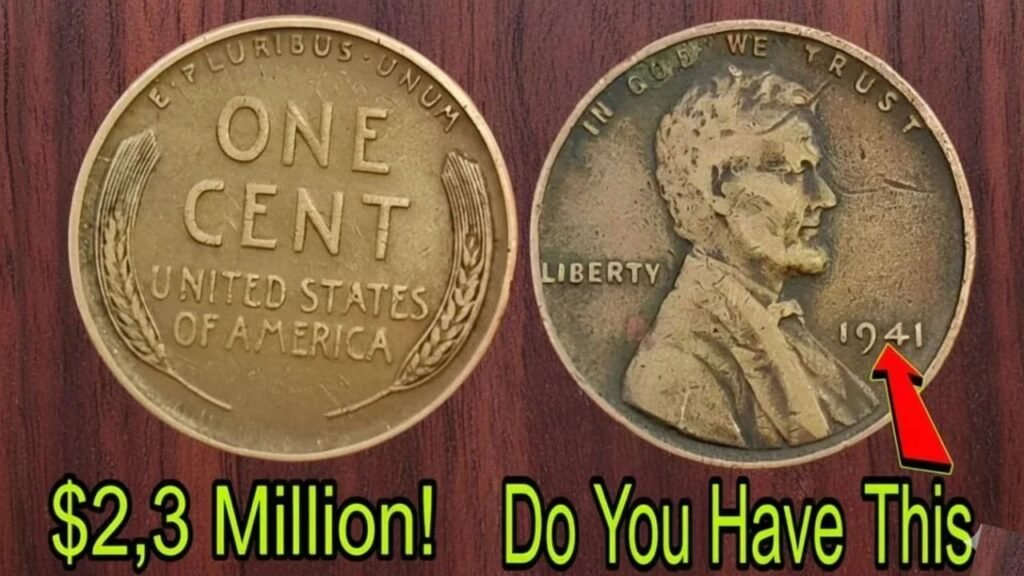
Picture holding a coin that someone used to buy candy during World War I or paid for bread with during the Great Depression. That’s what collecting Wheat Pennies feels like. Before 1909, U.S. coins usually had imaginary ladies like “Lady Liberty” on them. But the Lincoln Wheat Penny was the first one to show a real person – Abraham Lincoln. The back has two wheat stalks, which represented how important farming was to America. They made these coins for almost fifty years. Then in 1959, they changed the design, and suddenly everyone wanted the old “Wheat Pennies.” If you find one, you’re literally holding history that collectors will pay big money for.
The Million-Dollar Coins You Need to Watch For
Most Wheat Pennies are only worth a buck or two. But some are the rockstars of the coin world. The date, the tiny mint mark letter, and any mistakes in the making process are what make them valuable. Check out this cheat sheet of the ones that could make you rich:

| Coin Type | What Makes It Special | Rough Value | Why Collectors Want It |
|---|---|---|---|
| 1909-S VDB | Has “S” mint mark and artist’s initials “VDB” on back | $600 – $3,500+ | First year ever made; initials caused controversy |
| 1914-D | Made in Denver with very few produced | $200 – $15,000+ | Super hard to find in good condition |
| 1922 No D | No mint mark but actually from Denver | $500 – $35,000+ | Dirty die covered the “D” by accident – famous error |
| 1931-S | From San Francisco, very low production | $70 – $1,800+ | Made during Depression when nobody had extra cash |
| 1943 Bronze | Looks like a normal copper penny but dated 1943 | $100,000 – $250,000+ | Pennies that year were supposed to be steel – this was a mess-up |
| 1955 Double Die | Date and letters look blurry and doubled | $1,500 – $15,000+ | You can see the mistake with your naked eye |
What Makes a Penny Worth a Fortune?
So why is one old penny worth five bucks and another worth half a million? It comes down to three simple things:
- Rarity – How many were made back then? Low numbers = harder to find = more valuable
- Condition – Is it shiny like new or all scratched and dull? Clean-looking coins are worth way more money
- Errors – Did the mint mess up during production? Coins with double images, wrong dates, or wrong metal are like misprinted Pokémon cards – collectors absolutely lose their minds over them
When a coin has all three of these things working in its favor, that’s when you hit the jackpot. The 1943 bronze penny we talked about? That’s a perfect example – it’s rare, it’s an error, and if it’s in great shape, boom – life-changing money.
Pro Tips for Finding Treasure in Your Pocket Change
Ready to start hunting? Here’s what you need to know before you start digging through your piggy bank:

- Grab a magnifying glass – you need to spot tiny details and mint marks (little “D” or “S” under the date)
- Never ever clean a coin! Scratching it destroys the value. Collectors want natural “dirt” (called patina)
- Check every handful of change you get, and ask grandparents if they have old coin jars lying around
- Look for “full steps” on the wheat stalks and check Lincoln’s cheek for wear – less wear = more money
- Handle coins by the edges because the oil from your fingers can damage the surface over time
- Get a guidebook – the “Red Book” is basically the bible for U.S. coin prices
Frequently Asked Questions
Q: I found a wheat penny. Where exactly do I look to see if it’s rare?
A: Flip it over and check the bottom area under the words “ONE CENT.” You might spot a tiny “D” (Denver), “S” (San Francisco), or nothing at all (Philadelphia). Then match the date with our list above!
Q: If I think I have something valuable, how do I sell it?
A: Don’t rush! Take it to a local coin shop or coin show first. Show it to a few different dealers and get their opinions. If they all say it’s special, you can pay to have it professionally graded by PCGS or NGC – that’s like getting a report card that proves it’s real.
Q: What does “Mint State” actually mean?
A: It’s just a fancy way of saying the coin looks exactly like it did the day it was made. It never got used in stores or worn down, so it still has its original shiny glow.
Q: Is a “Double Die” the same as two coins stuck together?
A: Nope! Double die means one coin has a printing mistake where the image looks doubled. Two coins stuck together is a different error called a “double strike.” The 1955 Double Die is the most famous example of the first kind.
Q: Why are some old pennies silver-colored and some are brown?
A: Great question! During World War II, the U.S. needed copper for bullets and electrical wires. So in 1943, they made pennies from steel and coated them with zinc, which makes them look silver. The crazy rare ones are the copper 1943 pennies that got made by accident.
Q: Is coin collecting an expensive hobby?
A: It can be, but it totally doesn’t have to be! You can start for free just by looking through your change. Or you can buy “wheat penny lots” online for a few bucks. It’s basically a treasure hunt that teaches you history along the way.