Picture this: you’re cleaning out your grandparent’s attic and you find a big, heavy silver dollar hiding in an old box. It looks cool, but you toss it in your pocket without thinking much about it. What if that coin was worth thousands—or even millions—of dollars? That’s not just a fantasy. It’s actually possible with two famous American coins called the Peace dollar and the Eisenhower dollar. These aren’t just ordinary pieces of money. They’re like holding a chunk of American history in your hand. Let’s dive into which ones are super valuable and why collectors go absolutely crazy for them. Top 5 Eisenhower and Peace Dollar Coins Worth Up to Millions in 2026 – Collector’s News Guide
What Makes Peace Dollars and Eisenhower Dollars So Special?
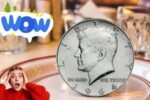
The Peace dollar first appeared in 1921, right after World War I ended. America was tired of fighting and wanted peace, so they created a silver dollar to celebrate that hope. The front shows Lady Liberty looking calm and beautiful, while the back has an eagle sitting on a mountain top looking peaceful. Then there’s the Eisenhower dollar, nicknamed the “Ike” dollar, which started in 1971. It honors President Dwight D. Eisenhower and also celebrates the Apollo 11 moon landing. How awesome is that? The back of the coin actually shows an eagle landing on the moon. These coins tell real stories from America’s past.
The Five Most Valuable Coins You Need to Know About
| Coin Name | Year | Why It’s Rare | What Makes It Special | Potential Value |
|---|---|---|---|---|
| 1921 High Relief Peace Dollar | 1921 | Only made for a short time | Super 3D design that stands way out | $50,000 – $150,000+ |
| 1928 Peace Dollar | 1928 | Only 360,000 were made | The lowest mintage of all Peace dollars | $20,000 – $200,000+ |
| 1972 Type 2 Eisenhower Dollar | 1972 | Mint made a design mistake | Earth looks different on back, Florida is clear | $5,000 – $30,000 |
| 1976 Bicentennial Silver Proof | 1976 | Special collector edition | 40% silver with mirror-like finish | $1,000 – $20,000 |
| 1934-S Peace Dollar | 1934 | Most were used or melted | Finding one in mint condition is super hard | $10,000 – $80,000 |
The Hidden Details That Make Certain Coins Worth Millions
Here’s the thing about these coins—sometimes the smallest differences mean the biggest money. Take the 1921 High Relief Peace Dollar, for example. The design pops out so much that it looks almost 3D, but the Mint realized it was too hard to mass-produce, so they changed it quickly. That’s why the originals are goldmines. The 1928 Peace Dollar is another legend because only around 360,000 were made. That might sound like a lot, but for a national coin, that’s practically nothing. Most got used up and worn down, so finding one in great shape is like winning the lottery. And don’t even get started on the 1972 Eisenhower dollar—one version shows Florida all blurry on the Earth, while the rare one shows it sharp and clear. That tiny difference can mean tens of thousands of dollars.
- Always check the date first – certain years like 1928 and 1921 are worth way more than others
- Look for the mint mark – a tiny “S” (San Francisco) or “D” (Denver) can change everything
- Never ever clean old coins – cleaning scratches the surface and destroys value instantly
- Check the Earth on 1972 Ike dollars – if Florida looks clear and sharp, you might have the rare Type 2
- Hold coins by the edges only – finger oils leave marks that last forever
- Get serious coins professionally graded – experts in plastic holders mean real money
What Beginners Need to Know About Starting a Collection
If this sounds exciting and you want to start looking for these coins, you’re not alone. Thousands of kids your age are getting into coin collecting because it’s like a treasure hunt that never ends. You can find old dollars at garage sales, in family collections, or even buy them from coin shops. Just remember that most Eisenhower and Peace dollars are only worth their silver value—maybe $10 to $20. But the rare ones? That’s where the magic happens. The key is learning what to look for. Study the dates, memorize the mint marks, and pay attention to condition. A coin that looks brand new is worth way more than one that’s all scratched up from being jingled in someone’s pocket for years.
Frequently Asked Questions
What’s the difference between a Peace dollar and an Eisenhower dollar?
Peace dollars were made mostly in the 1920s and 1930s from 90% silver and celebrate peace after World War I. Eisenhower dollars came out in the 1970s, are larger, and honor President Eisenhower and the moon landing.
How can I tell if my Eisenhower dollar is the rare 1972 Type 2?
Look at the Earth on the back under good light. If the land masses, especially Florida, look clear and detailed, you might have a winner. If they look blurry and mushy, it’s the common version.
Are all old silver dollars worth a lot of money?
Nope! Most are only worth their silver content, which is around $15 to $20. Only specific years, mint marks, and conditions make coins truly valuable.
Where’s the best place to sell a rare coin if I find one?
Go to a reputable coin dealer first for advice. For really valuable coins, consider big auction houses that specialize in rare coins. Never sell to the first offer without doing research.
What does “high relief” actually mean?
It means the design sticks out from the coin’s surface more than usual. The 1921 Peace dollar has such high relief that it almost looks like a sculpture instead of a flat coin.
Can I find these coins in regular bank rolls today?
Probably not. Silver dollars haven’t been made for regular use in decades. Your best bet is checking old family collections, attic finds, or buying from dealers.
Why do mint mistakes make coins more valuable?
Because they’re rare! When the Mint messes up, only a small number of error coins escape before they fix the problem. Collectors love owning something unique that most people don’t have.
How do I protect a valuable coin if I find one?
Put it in a soft coin holder or envelope immediately. Hold it only by the edges. Don’t clean it or wipe it. Then contact a professional coin grader to get it authenticated and sealed in plastic.