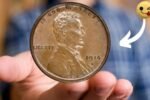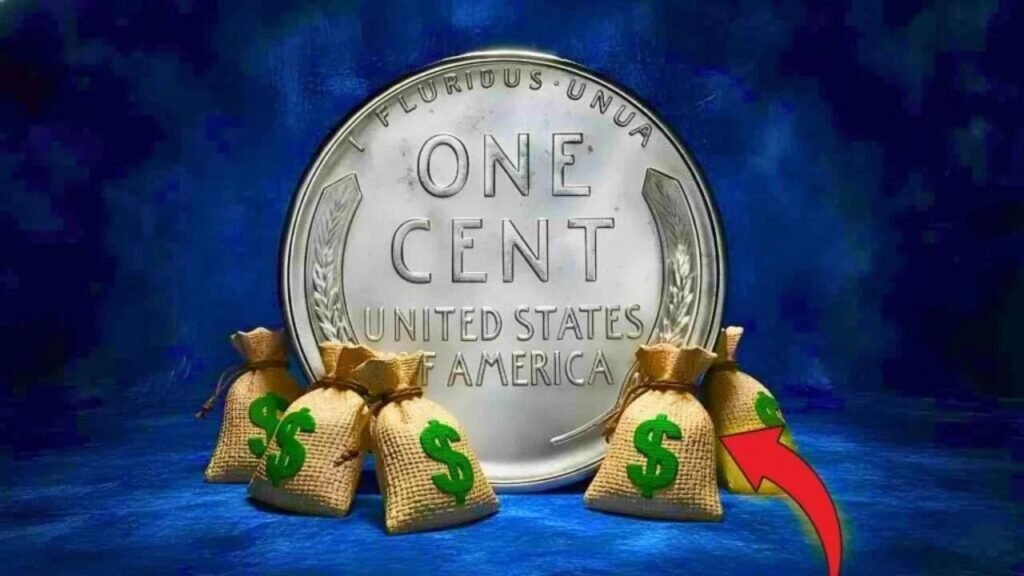
Have you ever found an old penny with wheat stalks on the back? That’s a Wheat Penny, and it might be way more valuable than you think! These coins were made between 1909 and 1958, and they’re totally different from the pennies we use today. On the front, you’ll see Abraham Lincoln looking dignified. Flip it over, and instead of the Lincoln Memorial, there are two beautiful wheat stalks. These stalks represent America’s farming roots. Over the past ten years, more and more people—including teenagers—have started hunting for these coins. Some rare ones can buy you a new gaming console or even a used car! The best part? You can start this hobby with zero dollars—just check your piggy bank or ask grandparents if they have old coins lying around. Wheat Penny Values in the Last 10 Years: Rare Coins, Market Trends, and Collector Insights
What Makes Certain Pennies Super Rare?
Not every old penny will make you rich, but some are like gold hidden in plain sight. The 1909-S VDB penny is famous because only a small number were made, and it has the designer’s initials on it. The 1914-D is another rockstar coin that collectors go crazy over. Then there’s the weird 1922 “No D” penny—someone at the Denver mint forgot to stamp the “D” mark, so it looks different from every other coin. Imagine finding a mistake that makes something more valuable! The 1931-S penny is special too because it was made during the Great Depression when people had no money to spare. Remember: the better shape your coin is in, the more cash it could bring. Even a tiny scratch can drop the price by hundreds of dollars!
Wheat Penny at a Glance
| Feature | What You Need to Know |
|---|---|
| Years Minted | 1909 through 1958 |
| Who Designed It | Victor David Brenner |
| What It’s Made Of | Mostly copper (except 1943 steel ones) |
| How Much It Weighs | 3.11 grams |
| How Wide It Is | 19 millimeters |
| Front Picture | Abraham Lincoln |
| Back Picture | Two wheat stalks |
| Super Rare Ones | 1909-S VDB, 1914-D, 1922 No D |
| Famous Mistake | 1955 Double Die (letters look doubled) |
| Typical Value | 10 cents to 50 cents |
| Super Valuable Ones | Can sell for thousands of dollars |
The Weird 1943 Penny That Shines Like Silver
During World War II, the US needed copper for making weapons and equipment. So in 1943, the Mint did something wild—they made pennies from steel and coated them with zinc! These look silver and are magnetic. Most steel pennies are common and only worth a buck or two. But here’s where it gets crazy: a few copper pennies from 1943 accidentally slipped through. These are like unicorn coins! One sold for over $200,000 at auction. Over the last decade, these mistake coins have only gone up in value. So next time someone hands you change, check those silvery pennies carefully. You never know what you might find!
Mistake Coins That Collectors Love
Some of the coolest Wheat Pennies aren’t rare because of low numbers—they’re rare because something went wrong at the factory! The most famous is the 1955 Double Die penny. If you look at it closely, the date and letters look blurry or doubled, like when you take a photo with shaky hands. This happened because the die (the thing that stamps the coin) was misaligned. Other error coins might be stamped off-center, so part of the design is missing. Sometimes mint workers repunched the mint mark, leaving two faint marks. These mistakes make each coin one-of-a-kind. Many young collectors start by hunting for error coins because they’re fascinating and you can sometimes find them in regular pocket change!
Why Coin Collecting Has Exploded Since 2016
The internet changed everything for coin collectors. Ten years ago, you had to go to coin shops or shows to buy and sell. Now you can check values on your phone, watch YouTube videos about rare coins, and buy from sellers around the world. Companies like PCGS and NGC grade coins professionally and seal them in plastic holders. A graded coin usually sells for way more because buyers know exactly what they’re getting. But even with all this technology, the thrill of discovery hasn’t changed. People still love sorting through old jars of coins, hoping to strike gold. Some collectors have found thousand-dollar coins in rolls from the bank!
More Than Money: Why These Coins Matter
Wheat Pennies aren’t just metal discs—they’re time machines. They were the first US coins to show a real person instead of an eagle or lady liberty. When you hold a 1909 penny, you’re touching something that might have been in someone’s pocket during World War I, the Roaring Twenties, or the Great Depression. Each scratch tells a story. Many collectors keep Wheat Pennies simply because they love history, not because they want to get rich. These coins connect us to grandparents and great-grandparents. As years pass, fewer Wheat Pennies survive in good condition. Every time one gets damaged or lost, the remaining ones become more precious. That’s why this hobby keeps growing.
Quick Tips for New Collectors
If you want to start collecting Wheat Pennies, here’s what smart collectors do:
- Check the date and mint mark first—look for a tiny “D” (Denver), “S” (San Francisco), or no letter (Philadelphia)
- Inspect for errors using good light—doubled letters or missing marks can mean big money
- Never ever clean old coins—cleaning destroys value faster than anything
- Store them properly in acid-free holders or albums, not loose in a drawer
- Use a magnifying glass—some valuable details are super tiny
- Learn one coin at a time instead of trying to know everything at once
- Join online forums where collectors share tips and help beginners
Frequently Asked Questions
Q1: How do I know if my Wheat Penny is worth something?
Look at the date first, then check for a mint mark (D or S under the year). Compare its condition to photos online. Even common ones in great shape can be worth a few dollars.
Q2: Are 1943 pennies all valuable?
Nope! The silver-colored steel ones are common—maybe worth 50 cents to $10. But if you find a 1943 penny that’s brown like normal pennies, that’s the rare copper version. Have an adult help you verify it.
Q3: What do those little letters “S” and “D” mean?
They tell you which mint made your coin. “S” stands for San Francisco, “D” means Denver. If there’s no letter, it was made in Philadelphia. Coins from different mints can have different values.
Q4: Is the 1955 Double Die penny really that special?
Absolutely! It’s one of the most famous error coins in US history. Even beat-up ones sell for hundreds of dollars. Nice ones can fetch thousands. The doubling is easy to see on the date and the word “LIBERTY.”
Q5: Can a 14-year-old really get into coin collecting?
For sure! Many famous collectors started as kids. You can begin with zero money by checking change and asking family members for old coins. It’s like a treasure hunt that teaches history and doesn’t require a screen.
Q6: Where’s the best place to find Wheat Pennies today?
Start with family members—grandparents often have old coins. Check coin jars, garage sales, and flea markets. Some collectors buy rolls of old pennies from banks or online. Coin shops are great too, but bring an adult along.
Q7: Should I have coins professionally graded?
Only if you think they’re really valuable (like worth over $100). Grading costs money, so it’s not worth it for common coins. Ask an experienced collector or dealer for their opinion first.
Q8: What’s the easiest rare Wheat Penny for a beginner to find?
The 1944 steel penny (another wartime mistake) or any wheat penny with a clear error like a doubled die. Also watch for 1909-S VDB pennies—they’re rare but sometimes still turn up in old collections.